
Woburn, MA · Middlesex County
Chimney Rebuilds & Restoration in Woburn, MA
When repointing can no longer save a chimney, we take it down to sound masonry and build it back correctly - partial roofline-up rebuilds, full reconstructions, and historic restorations with matched brick.
In the Boston market, partial rebuilds from the roofline up typically run $2,500–$7,500 and full ground-up rebuilds generally range from $8,000 to $20,000 or more, driven by height, brick selection, staging, and lining - every project is priced from a detailed written scope.
Maybe you noticed a damp smell from the fireplace after last week's rain. Maybe smoke curled into the living room instead of up the flue, or a chunk of mortar appeared in the firebox, or a neighbor's chimney fire got you thinking. Homeowners in Woburn usually call us because something small felt slightly off, and that instinct is worth trusting. Chimneys telegraph their problems in modest ways long before those problems become expensive ones. Upside Down Chimney Sweeps can tell you quickly whether what you noticed is a harmless quirk or an early warning. One inspection, a set of photographs, and a plain-English conversation will replace vague worry with a concrete plan, whatever that plan turns out to be.
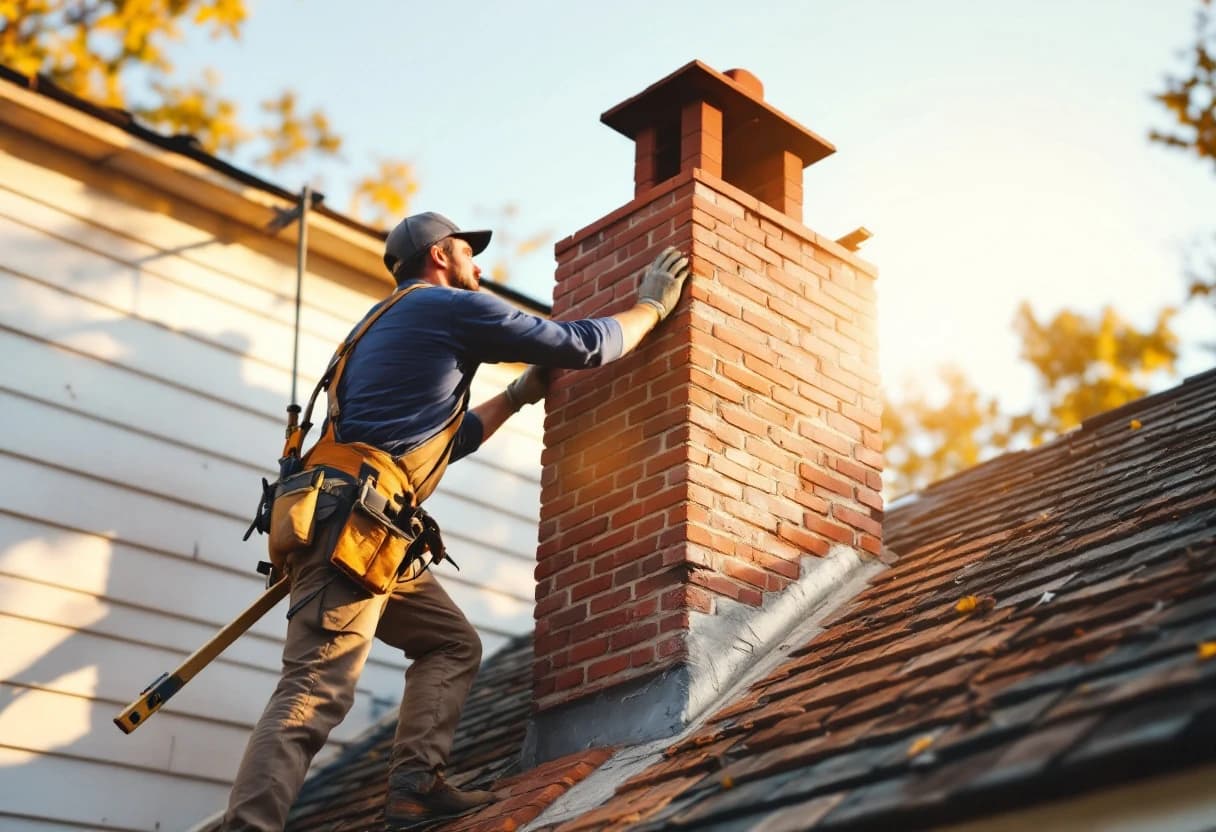
Stand across the street and sight along the top of your chimney against the sky. Straight lines and crisp corners mean the stack is holding. A lean, a visible curve, a ragged silhouette, or daylight through the upper courses means the masonry above your roof has begun to let go. Every chimney reaches a point where the arithmetic flips - where the joints have eroded so far, and the brick has spalled so deeply, that repointing would mean gluing together material with nothing left to give. At that point the honest recommendation is a rebuild: take the chimney down to sound masonry and construct it again, correctly, with a modern crown and a properly sized flue. It sounds drastic. In practice, it is how a hundred-year-old chimney earns its next hundred years.
Most rebuilds are partial. The section above the roofline lives in a different climate than the rest of the stack - it takes wind-driven rain from every nor'easter, has no house warmth to buffer it, and cycles through freeze and thaw dozens of times each winter - so it commonly fails decades before the chimney inside the house shows any distress. A partial rebuild removes the deteriorated courses down to solid brick at or near the roofline and relays them, finishing with a cast concrete crown, fresh counter-stepped flashing, and a stainless cap. Full rebuilds, taken down to the smoke shelf or the foundation, are reserved for chimneys with deep structural movement, crushed or displaced flue tiles, or footing problems - conditions a Level 2 inspection per NFPA 211, with a camera scan of the flue, will reveal before demolition ever starts.
Rebuilding in Eastern Massachusetts carries obligations that generic masonry work does not. The housing stock in Woburn includes Victorians, colonials, and triple-deckers whose chimneys are architectural features - corbelled tops, decorative courses, brick that has not been manufactured in eighty years. A rebuild that ignores this reads as a wound on the house. We match brick by dimension, color range, and texture, sourcing reclaimed material when the original run is extinct, and we photograph and replicate corbels and detail courses before demolition. Just as important is what goes inside: many old flues were never lined at all, and a rebuild is the one moment when installing a UL-listed stainless liner, correctly sized to your appliance, costs the least and disrupts nothing.
Upside Down Chimney Sweeps rebuilds and restores chimneys across Woburn and Greater Boston from our home base at 20 Sewall Street in Melrose. We handle the full arc of the project: the inspection and documentation, the permit where your building department requires one, safe demolition with debris contained and hauled, the rebuild itself, and the crown, flashing, liner, and cap that determine how long the new masonry lasts. We will also tell you plainly when you do not need us - some chimneys marketed for rebuilds by storm-chasing outfits need only honest repointing. For a straight answer and a documented assessment, call (781) 653-5644.
What Our Chimney Rebuild Service Covers
1Partial Rebuilds from the Roofline Up
The workhorse of chimney reconstruction. We dismantle the deteriorated stack down to sound, well-bonded masonry - typically at or just below the roofline - then relay it course by course, plumb and square, with mortar suited to the brick. The rebuilt section gets everything the original lacked: a sloped, overhanging cast crown with a bond break at the flue, new counter-stepped flashing, and a stainless cap. Because the failure zone above the roof is rebuilt entirely rather than patched, this is usually the most cost-effective permanent fix for a badly weathered chimney.
2Full Chimney Rebuilds
When movement, crushed flue tiles, interior mortar washout, or foundation settlement compromise the chimney through the structure, we rebuild from the base or the smoke shelf up. This is a staged, engineered project: protection inside the home, sequenced demolition through the roof and floor penetrations, and reconstruction with a new code-compliant flue path from appliance connection to termination. Full rebuilds are also the opportunity to correct old sins permanently - undersized flues, missing wall clearances, and combustible framing set tight against the masonry, all conditions NFPA 211 exists to address.
3Historic Restoration and Brick Matching
On older homes in Woburn, the chimney is part of the architecture, and we rebuild it that way. Before demolition we document corbelled tops, decorative banding, and wash courses with photographs and measurements, then replicate them in the reconstruction. Brick is matched by size, color range, and surface texture - reclaimed brick where the original is no longer made - and mortar is blended to period-appropriate softness and sand color. The goal is a chimney a preservation-minded neighbor cannot pick out as new, with a century of modern service life hidden inside it.
4Flue Lining During Rebuild
A rebuild with the stack open is the cheapest moment your chimney will ever have to gain a proper liner, and we rarely rebuild without one. We install UL-listed stainless steel liners sized to the connected appliance - wood stove, fireplace, oil burner, or gas - insulated where the listing and conditions require it. Correct sizing matters as much as the metal: an oversized flue cools exhaust, kills draft, and breeds condensation and creosote. A continuous, listed liner restores the sealed path that keeps combustion gases off your framing and out of your rooms.
5Crown, Flashing, Cricket, and Cap Integration
The rebuilt masonry survives only as long as its water-shedding system, so we build that system in rather than bolting it on. The crown is cast concrete, sloped and overhanging with a drip kerf, isolated from the flue by a bond break. Flashing is two-part: step flashing woven into the shingles, counter-flashing let into the mortar joints above. On wide chimneys on the downslope side of the roof, we add a cricket to split water and sliding snow around the stack. A stainless multi-flue or single-flue cap finishes the top.
6Structural Assessment and Leaning Chimney Correction
A leaning stack is a falling hazard over your roof, your walkway, and your neighbor's driveway, and it demands diagnosis before reconstruction. We determine whether the lean comes from one-sided mortar erosion above the roof - the weather side always erodes faster - or from movement lower down, and we inspect footings and shoulder masonry before proposing scope. Where the cause is above the roofline, a partial rebuild solves it outright. Where settlement is involved, we coordinate the structural remedy first, so the new chimney is not built on the old problem.
Why Chimney Rebuild Matters for Woburn Homes
A failing chimney is a gravity problem before it is anything else. The masonry above a typical roofline weighs on the order of a ton, held together by mortar that, on a condemned stack, has been reduced to damp sand. Nor'easter winds work loosened bricks like a loose tooth, and what comes down lands on shingles, decks, cars, and walkways. Beyond falling brick, deteriorated upper courses shed chunks into the flue itself, narrowing it and obstructing draft - which converts a structural problem into a carbon monoxide problem. When a chimney reaches rebuild condition, deferral is not saving money; it is borrowing against the roof and everything under it.
A rebuild is also the single best safety upgrade available to an old chimney, because it resets the system rather than one component. Unlined flues from the pre-code era, cracked and shifted clay tiles, smoke chambers never parged, framing set hard against hot masonry - conditions that piecemeal repairs work around for decades - are corrected outright during reconstruction. The rebuilt chimney carries a continuous UL-listed liner sized to its appliance, clearances that follow NFPA 211, and a crown and flashing system engineered for New England water. Homeowners who rebuild frequently notice the difference immediately in draft alone: fires start easier, burn cleaner, and stop pushing smoke back into the room.
Finally, there is the long economics. A chimney past the point of repointing consumes money continuously - a leak patch this year, a flue repair the next, staining and interior damage in between - without ever becoming sound. A properly executed rebuild converts that treadmill into a fifty-to-hundred-year asset and removes the scariest line item from any future home inspection report. In the Woburn real estate market, a documented rebuild with photos, a lined flue, and written scope is a selling point; a visibly deteriorated stack is a negotiating lever pointed at you. Few projects on an old house return their cost as reliably at closing.
Snow itself sits gently on a chimney, but what snow becomes is another matter. Roof snow melts against warm flashing and refreezes at night, prying the metal away from the masonry one thin layer of ice at a time. Ice dams back meltwater up the roof slope until it finds the flashing seams at the chimney, one of the most common leak paths we trace in Woburn homes. Meanwhile, snow resting on the crown melts downward into any crack it can find, feeding the freeze-thaw cycle at the chimney's most vulnerable point. If you have ever noticed a water stain near the chimney after a heavy winter, this chain of events is the likely author, and the repair usually starts at the flashing.
Signs You Need Chimney Rebuild in Woburn
- The chimney visibly leans, curves, or no longer lines up plumb when sighted against the sky.
- Whole bricks are loose, missing, or have fallen onto the roof or into the yard.
- Mortar joints in the upper courses have eroded so deeply that daylight shows through the stack.
- Previous repointing attempts keep failing because there is no sound mortar left to bond to.
- The masonry between roofline and crown looks ragged, stepped, or shorter than it used to be.
- Chunks of brick or clay flue tile keep appearing in the firebox or on the smoke shelf.
- Deep spalling has eaten past brick faces into the body of the wall across large areas.
- Diagonal or stair-step cracks run through the chimney where it passes the roof or shoulders.
- A home or insurance inspector has flagged the chimney as unsound or recommended it not be used.
- Water infiltration around the chimney persists even after crown, flashing, and joint repairs.
How the Job Goes, Step by Step
1Level 2 Inspection and Documentation
Rebuild decisions deserve rebuild-grade evidence. We perform an inspection to the Level 2 standard described in NFPA 211 - full exterior evaluation plus a video scan of the flue interior - to establish exactly where sound masonry ends and how far reconstruction must go. You receive the photos and findings in writing, which also become your documentation for insurers, buyers, or the building department.
2Scope, Materials, and Permitting
We define the teardown line, select brick matched to the original or approved by you, specify mortar, liner size, crown, flashing, and cap, and put every element in a written fixed scope. Where your municipality requires a building permit for chimney reconstruction - many in this area do - we handle the filing and schedule any required inspections so the project is documented end to end.
3Protection and Demolition
We stage the roof, protect shingles and landscaping, and seal interior openings before the first brick moves. Demolition proceeds by hand, course by course, down to the sound masonry identified in inspection - never past it, never short of it. Salvageable original brick is cleaned and set aside for reuse where matching matters, and all debris is contained, lowered, and hauled away the same day it comes down.
4Reconstruction
The stack goes back up plumb, square, and properly bonded, with joints struck full and tooled to match the original work. Flue tiles or the stainless liner are set with sealed joints and correct clearances as the courses rise, and any corbels or decorative detail from the original design are replicated from our pre-demolition documentation. Weather windows are chosen so mortar cures to full strength.
5Crown, Flashing, and Termination
We cast the concrete crown with slope, overhang, drip kerf, and a bond break at the flue, then install two-part counter-stepped flashing - with a cricket behind wide stacks - and finish with a stainless cap sized to the flue. This water-shedding system is what determines whether the rebuild lasts fifty years or fifteen, so it gets the same attention as the brickwork itself.
6Final Review and Handoff
After cleanup we walk the project with you, on the roof photos in hand, and deliver a closing package: before-and-after documentation, materials used, liner specification, and permit sign-offs where applicable. We also set the maintenance baseline - annual inspection per NFPA 211 and a sweep schedule suited to your burning habits - so the new chimney stays new. Questions down the road are always welcome at (781) 653-5644.
Local Knowledge: Chimney Rebuild in Woburn
Woburn's housing spans its 19th-century leather-industry era, when workers' homes and Victorians filled the center, through heavy postwar development of capes and split-levels in North Woburn and West Side neighborhoods. Two-families are common near the center. The mix means we service everything here from 140-year-old brick stacks to 1970s prefab metal chimneys nearing replacement.
Woburn is ten minutes from our shop and one of our highest-volume service areas, with a housing stock varied enough that no two days here look alike. The neighborhoods around Horn Pond and the historic center include some of the oldest chimneys in the city, while the postwar streets generate steady sweep, cap, and liner work.
We regularly handle chimney rebuild calls in Woburn and the surrounding towns of Winchester, Burlington, Stoneham, Reading — so scheduling is fast and our pricing reflects local conditions, not guesswork.
Every fall, the same thing happens across Greater Boston: the first genuinely cold weekend arrives, thousands of homeowners simultaneously remember their chimneys, and every reputable sweep's calendar fills for weeks. The homeowners who called in August or September get their pick of appointments; the ones who call in late October wait, sometimes well past the first fires of the season. There is no downside to beating that rush. A chimney swept in late summer stays clean until burning season, inspection findings leave time for repairs before the cold, and scheduling stays flexible. If a fire on the first cold night matters to you, the honest advice from anyone in this trade is simple: book early, and burn easy.
Why Choose Upside Down Chimney Sweeps
We built this company on the belief that chimney work should follow written standards, not folklore. Our sweeping and inspection procedures track NFPA 211, the National Fire Protection Association's standard for chimneys, fireplaces, and vents, along with the best practices promoted by the Chimney Safety Institute of America. That means we do not eyeball a flue and pronounce it fine; we examine accessible portions methodically, note the condition of liners, crowns, caps, and flashing, and classify creosote honestly by stage. Standards protect you in a second way, too: when we recommend a repair, we can point to the specific condition and the specific guidance behind the recommendation, so you are never asked to take an expensive claim on faith.
Chimney Rebuild FAQs — Woburn, MA
How do I know if my chimney needs a rebuild instead of repointing?
What does a chimney rebuild cost in the Boston area?
How long does a chimney rebuild take?
Can you match the original brick on an older home?
Will you install a liner during the rebuild?
Do I need a permit to rebuild a chimney in Massachusetts?
My chimney is leaning - is that an emergency?
How long will a rebuilt chimney last?
Book Chimney Rebuild in Woburn
If your chimney is due, or overdue, for attention, the next step is a short phone call. Reach Upside Down Chimney Sweeps at (781) 653-5644 and we will find a time that works, usually sooner than you might expect for Woburn addresses given how close we are. Tell us what you have noticed, or simply tell us it has been a while; either one is a fine place to start. One visit gets you a swept flue, a documented inspection, and straight answers about anything we find along the way. Your fireplace should be the most relaxing thing in your house, not a question mark hanging over it. Let us make sure it stays that way.
Book Chimney Rebuild in Woburn
Our Melrose shop is 7 miles away — scheduling in Woburn is fast. Call (781) 653-5644.
Mon–Sat: 7:00 AM – 7:00 PM · Emergency service available