
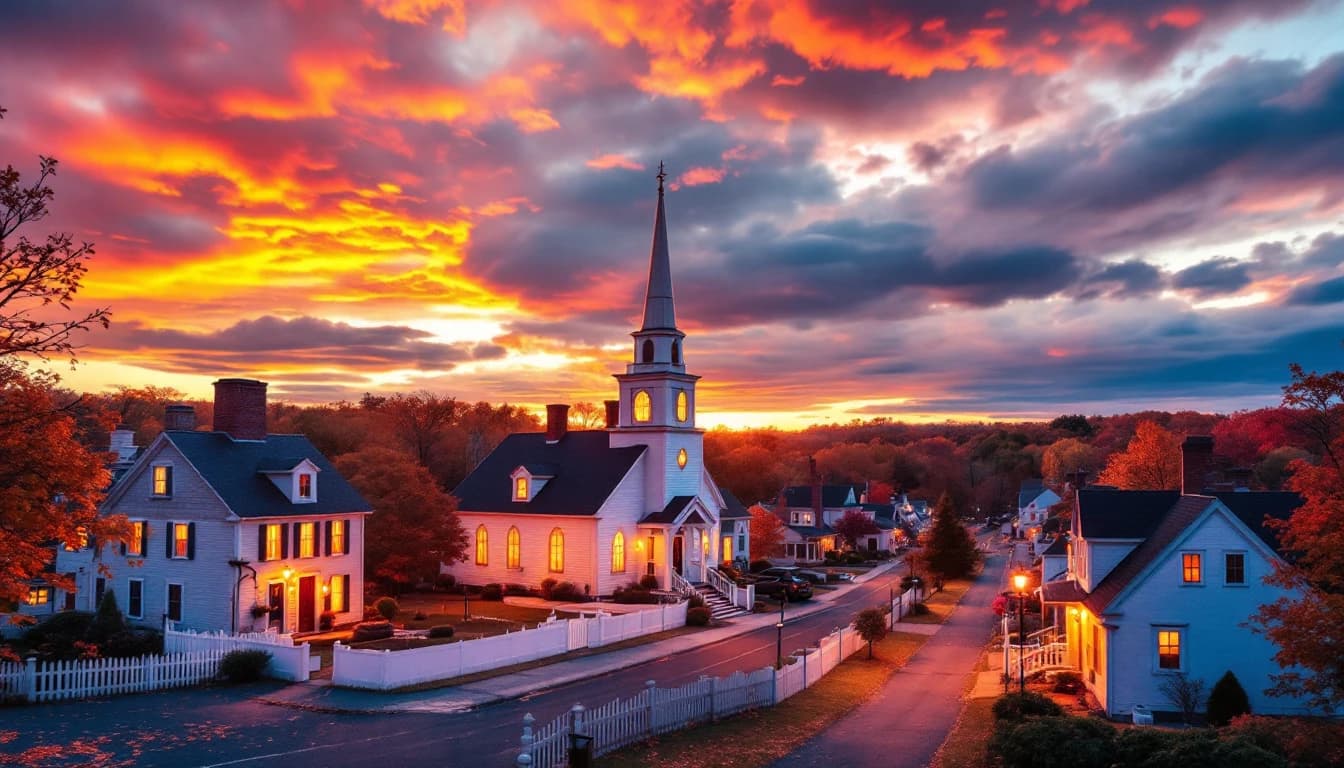
Middlesex County · 10 miles from our Melrose shop
Chimney Sweep & Repair in Wilmington, MA
Cleaning, camera inspections, masonry & leak repair, liners, and caps for Wilmington's ~23,000 residents — from a fully insured local team that works to NFPA 211.
Call (781) 653-5644Chimney Services Available in Wilmington
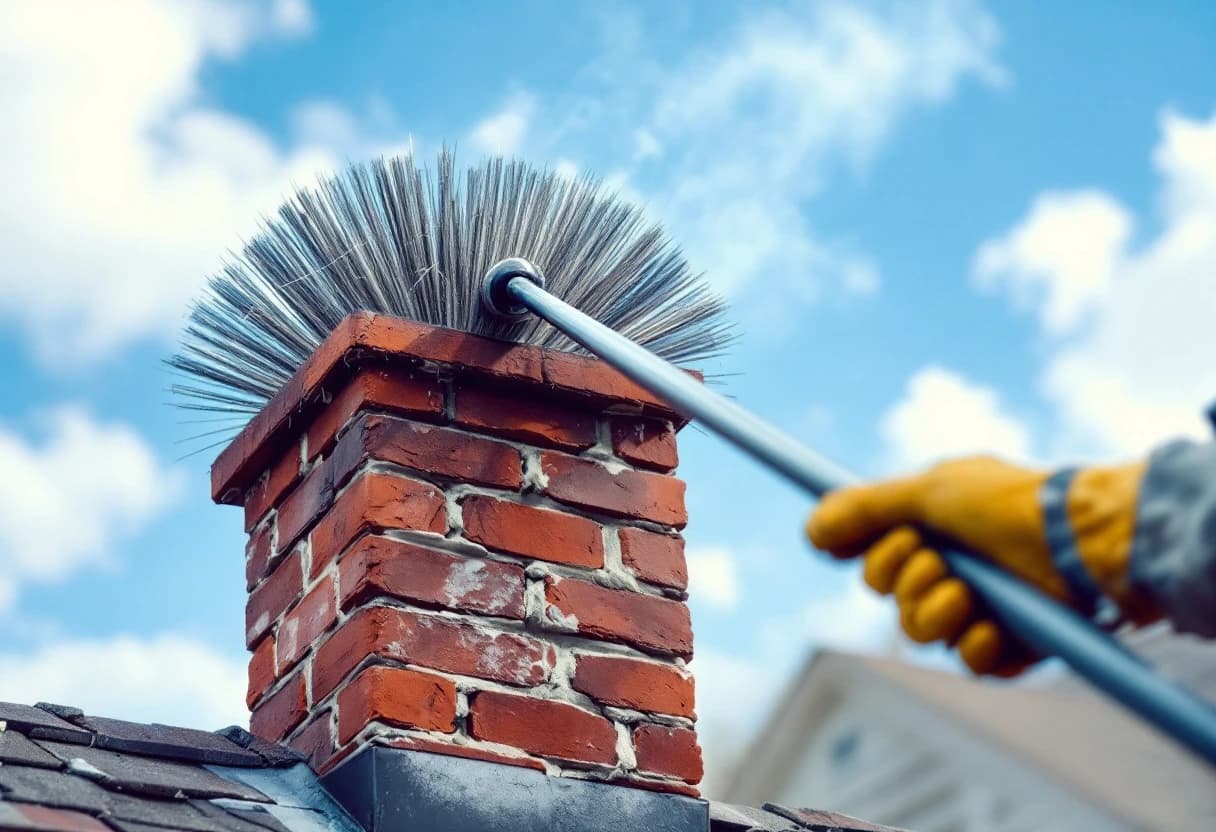
Chimney Cleaning in Wilmington
Thorough, dust-free chimney sweeping for wood, oil, and gas flues, performed to NFPA 211 standards with a photo condition report on every visit.
Learn more →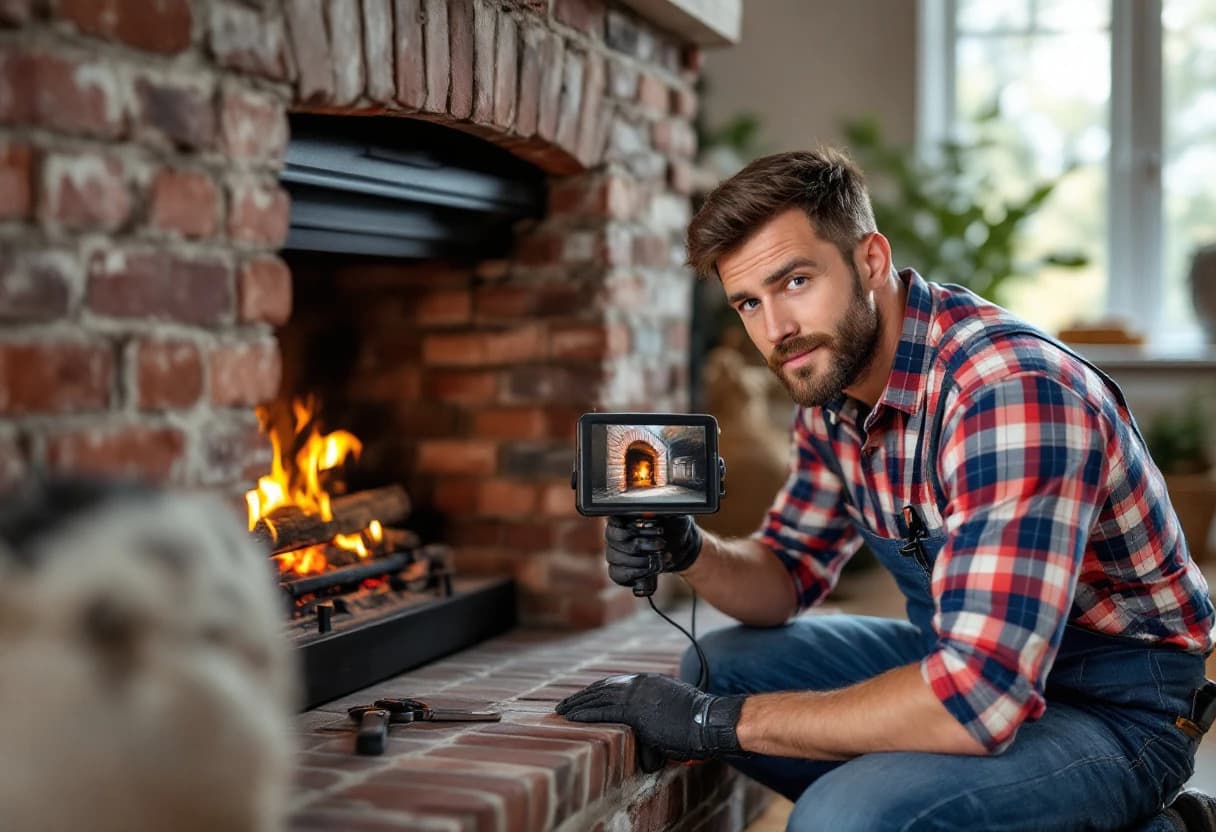
Chimney Inspection in Wilmington
NFPA 211 Level 1 and camera-scanned Level 2 chimney inspections for annual maintenance, home sales, appliance changes, and post-event evaluations.
Learn more →
Chimney Repair in Wilmington
Cracked crowns, spalling brick, failed flashing, damaged flue tiles - we trace every chimney problem to its root cause and repair it properly, so you fix it once instead of chasing symptoms every spring.
Learn more →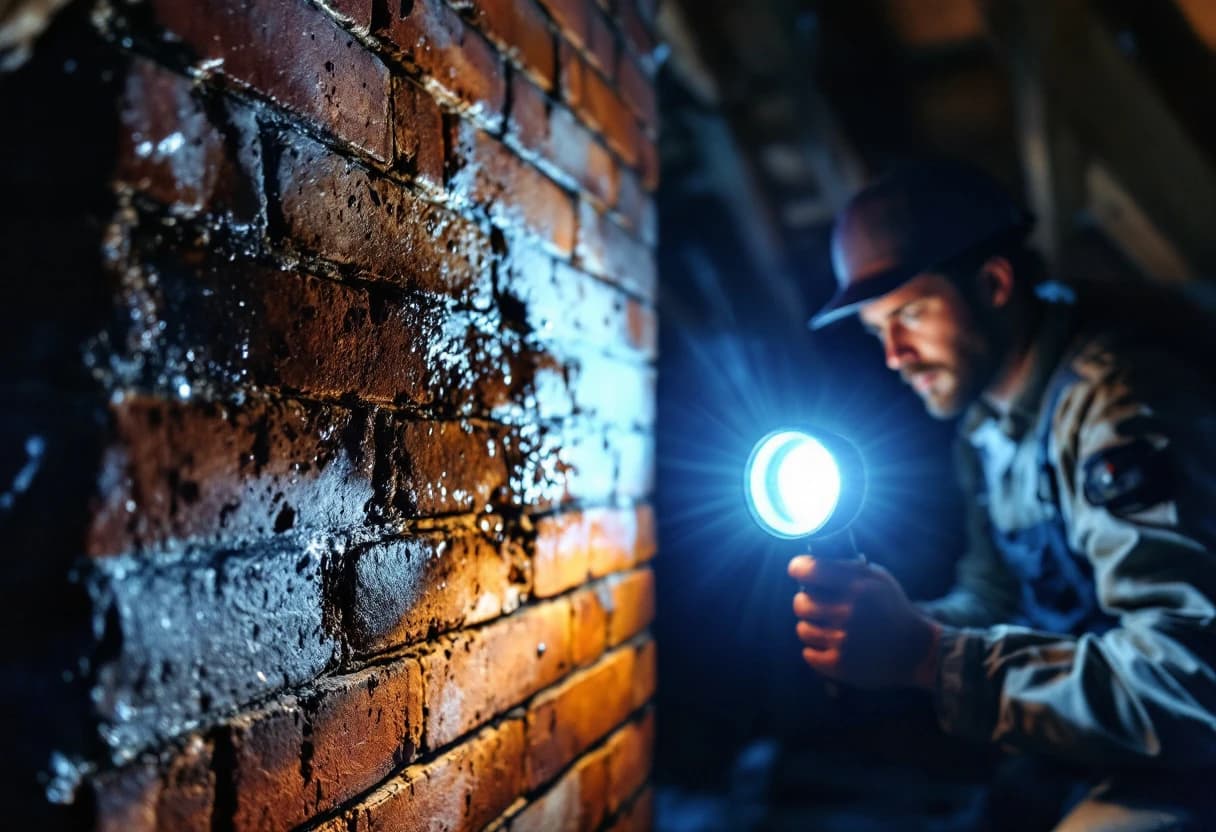
Leak Repair in Wilmington
Water finds every weakness in a chimney. We trace leaks to their true source — crown, flashing, masonry, or cap — and repair the cause, not just the stain.
Learn more →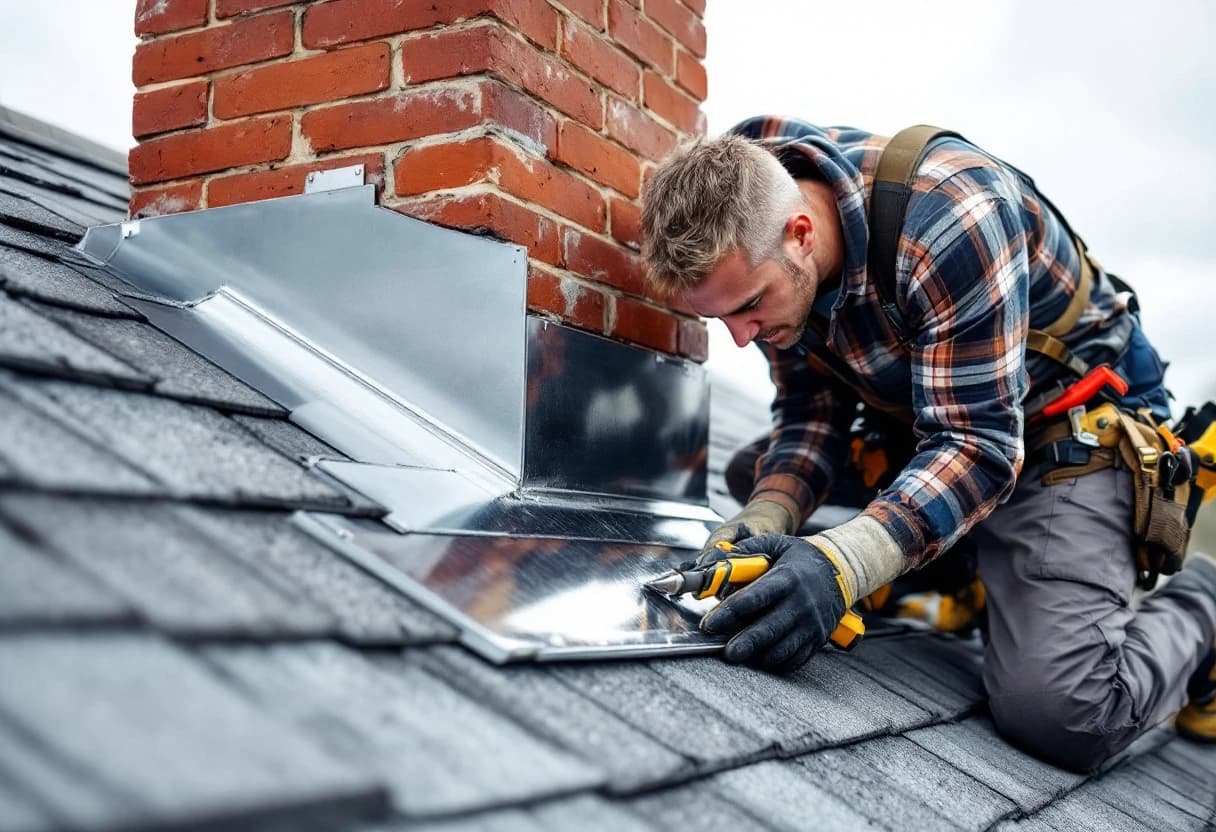
Flashing Repair in Wilmington
The joint where your chimney meets the roof fails before almost anything else on the house. We rebuild step and counter-flashing the right way — cut into the mortar, not smeared over it.
Learn more →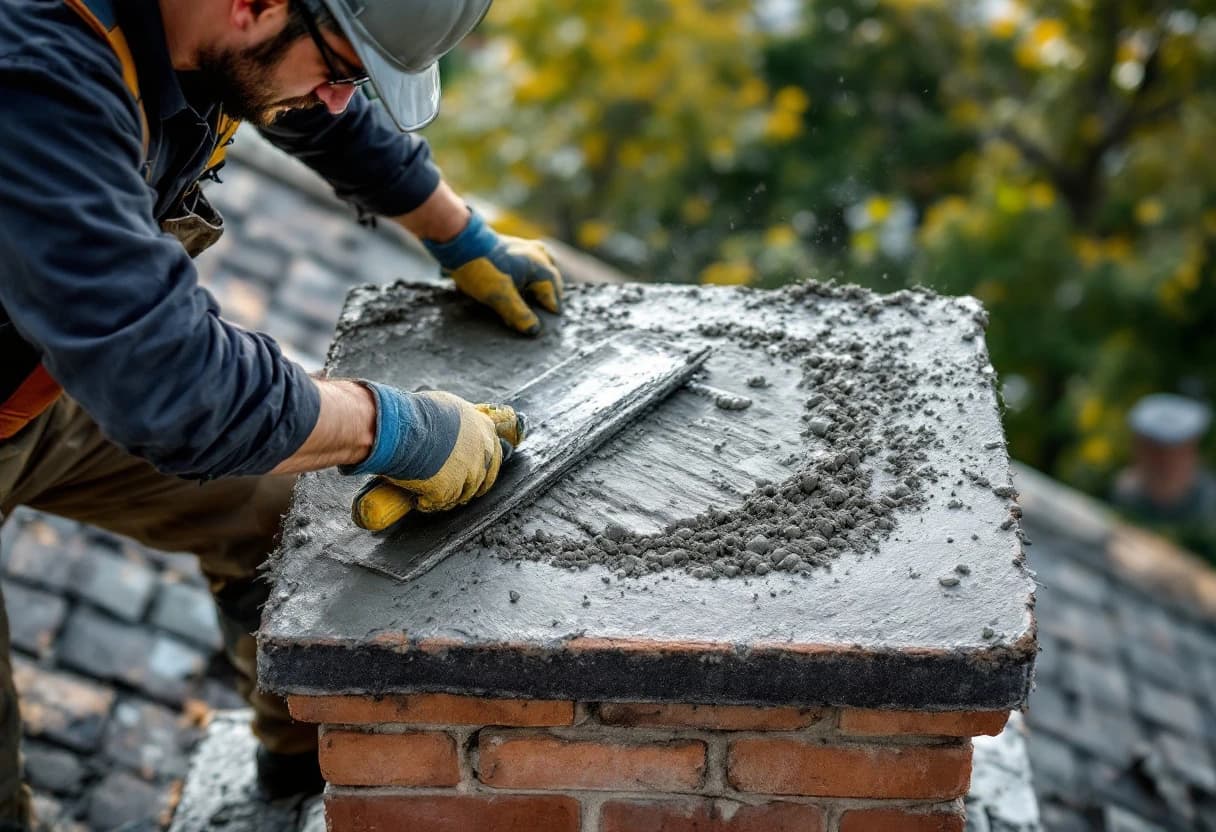
Crown Repair in Wilmington
Cracked or crumbling chimney crown? We seal, resurface, and rebuild cast-concrete crowns engineered to survive New England freeze-thaw and protect every brick below.
Learn more →All 18 Services in Wilmington
- Chimney Cleaning in Wilmington
- Chimney Inspection in Wilmington
- Chimney Repair in Wilmington
- Leak Repair in Wilmington
- Flashing Repair in Wilmington
- Crown Repair in Wilmington
- Waterproofing in Wilmington
- Chimney Liners in Wilmington
- Chimney Caps in Wilmington
- Masonry Repair in Wilmington
- Chimney Rebuild in Wilmington
- Creosote Removal in Wilmington
- Animal Removal in Wilmington
- Draft & Smoke Repair in Wilmington
- Damper Repair in Wilmington
- Fireplace Repair in Wilmington
- Wood Stove Services in Wilmington
- Emergency Service in Wilmington
Most of the homes we service in Wilmington were built when a chimney was not a decoration but the working heart of the house. Those older flues have real character, and real quirks: unlined sections, undersized clay tiles, and mortar joints that have softened over decades of heat and weather. A modern wood stove or high-efficiency furnace asks a lot of masonry that old, which is why we approach every Wilmington chimney as a system rather than a smokestack. Our technicians evaluate the firebox, smoke chamber, flue, crown, and flashing together, because a failure in one almost always shows up in another. If your home has some history in its bones, it deserves a sweep who respects that history and understands its construction.
A chimney has the hardest job in the house and gets the least attention for it. It stands above the roofline through every storm that crosses Wilmington, absorbs rain and snow into porous brick, and then gets blasted with heat from below all winter while acids in the flue gases work quietly on its mortar. No other part of your home endures fire on the inside and ice on the outside, sometimes in the same day. That is why chimneys fail slowly, quietly, and from several directions at once. Upside Down Chimney Sweeps was built around that reality. We inspect from the firebox up and from the crown down, so nothing in between goes unexamined and nothing gets the chance to surprise you.
A Chimney Company That Knows Wilmington
Wilmington built out rapidly in the 1950s and 1960s, and capes, ranches, and split-levels from that era remain the backbone of its housing, joined by newer colonials on former farmland. Most homes have a single chimney handling both the heating flue and a living-room fireplace. Sixty-plus years on, original crowns and clay tile liners in these homes are reaching the end of their service life together.
Wilmington is a quick run up I-93 from our Melrose shop, and its uniform postwar housing makes problems predictable: we can often tell a homeowner what we will find in their flue before we open the damper, because we have serviced a dozen identical houses in the same neighborhood. That familiarity keeps our estimates here accurate.
From Silver Lake to Wilmington Town Common to Harnden Tavern (1770), we cover every neighborhood in Wilmington — along with nearby Reading, North Reading, Burlington.
Every Chimney & Fireplace Service We Offer in Wilmington
Creosote Removal. Creosote is not one substance; it is three, and the difference between them decides everything about how your chimney gets cleaned. Stage 1 is a soft, sooty powder that brushes out easily during a routine sweep. Stage 2 is harder: dry, crunchy flakes and shiny black chips, like burnt cornflakes fused to the flue wall, which demand stiffer tools and more aggressive passes. Stage 3 is the one that changes the conversation entirely. Also called glazed creosote, it is a dense, tar-like coating that has melted and re-hardened into something closer to enamel than soot. A brush skates across it. Removing it is a specialty service, and it is the service this page is about.
Chimney Liner Installation & Relining. The liner is the part of your chimney nobody ever sees, and it is the part doing almost all of the work. Every time your furnace, boiler, wood stove, or fireplace runs, the liner is the barrier standing between 300 to 1,000 degree flue gases and the wood framing of your house. In much of the older housing stock around Wilmington, that barrier is either a clay tile flue installed generations ago or, in homes built before roughly 1940, nothing at all except bare brick. When we run a camera up one of these chimneys, we routinely find cracked tiles, missing mortar joints between tile sections, and gaps that open directly into the masonry.
Chimney Flashing Repair. Two parts of your house meet at the chimney's base, and they refuse to move together. The roof deck expands, contracts, and flexes with every temperature swing and snow load; the masonry chimney, anchored to its own foundation, barely moves at all. Any rigid seal between them is doomed from the day it is installed. That is the entire reason chimney flashing exists: instead of gluing the two structures together, a properly built flashing system overlaps layers of bent metal so water is shed by gravity while each layer stays free to move. Built right, it outlasts the shingles around it. Built wrong — or smeared over with tar — it becomes the single most common source of chimney leaks we see across Wilmington.
Damper Repair & Replacement. Reach up past the lintel of your fireplace and find the handle - the one that grinds, sticks, or spins uselessly when you try to move it. That is your damper, the valve that decides whether your chimney is open or closed, and in our experience it is the most neglected moving part in any house in Wilmington. When it works, you never think about it. When it fails, you pay for it two ways at once: a damper stuck open pours your heated air up the flue every hour of the winter, and a damper stuck closed fills the living room with smoke the moment you strike a match. Upside Down Chimney Sweeps repairs and replaces dampers across Greater Boston.
Emergency Chimney Service. Some chimney problems can wait for a convenient Saturday. A chimney fire cannot. A stack of bricks scattered across your roof after a nor'easter cannot. A boiler flue packed with ice or debris in the middle of a January cold snap, in a house full of sleeping people, absolutely cannot. Upside Down Chimney Sweeps runs a dedicated emergency response out of Melrose for exactly these situations, serving Wilmington and communities across Greater Boston and Eastern Massachusetts. When you call (781) 653-5644 with an active emergency, we triage on the phone immediately, tell you what to do in the next ten minutes, and get a technician moving. The first visit has one goal: make your home safe. Everything else follows from there.
Chimney Leak Repair. A chimney leak almost never shows itself where it starts. Water slips in at a hairline crown crack or a lifted flashing corner, rides the outside of the flue tiles, tracks along a rafter, and finally surfaces as a brown stain on a ceiling six feet from the chimney itself. That is why chasing a chimney leak with a caulk gun so rarely works — the drip you can see is the end of the story, not the beginning. At Upside Down Chimney Sweeps, leak diagnosis is its own discipline: we work from the top of the chimney down and from the stain back up until the two paths meet, and only then do we talk about repairs. Homeowners across Wilmington often call us after two or three failed fixes; we would rather be your first call.
Animal & Nest Removal. That scratching, chirping, or frantic fluttering coming from behind your fireplace wall is one of the most common calls we take every spring and early summer. A chimney mimics the hollow tree that raccoons, squirrels, chimney swifts, and bats have denned in for thousands of years: tall, dark, sheltered from hawks and weather, and gently warmed by the house below. An uncapped flue in Wilmington is an open invitation, and once an animal moves in you are dealing with far more than noise. Nesting material chokes the flue, droppings carry real pathogens, and a mother raccoon guarding kits on the smoke shelf will defend that ledge aggressively. We remove the animals humanely, clear every trace of the nest, and seal the chimney so it never happens again.
Wood Stove & Insert Services. A wood stove is the hardest-working appliance in any house that has one. Where an open fireplace sends most of its heat up the flue and might burn thirty evenings a year, a stove in a Wilmington home often runs around the clock from Thanksgiving to April, radiating steadily through nor'easters and power outages alike. That workload is exactly why stoves demand more disciplined installation and maintenance than anything else we service. Every shortcut taken on a stove install, an uninsulated flue, a slammer hookup, a clearance shaved to make the hearth fit, gets stress-tested a hundred-plus burn days a year. Our job is to make sure the system holds up to that test.
Chimney Cleaning & Sweeping. Every fire you burn leaves something behind. Wood smoke is a moving mixture of water vapor, unburned gases, and microscopic particles of carbon, and when that mixture rises into a flue whose walls are cooler than roughly 250 degrees, it condenses on the clay tile or stainless steel the same way steam fogs a bathroom mirror. The residue it deposits is creosote, and creosote is flammable at every stage of its development, from soft powdery soot to hardened tar. A professional chimney sweeping is the controlled, methodical removal of that residue, along with the leaf litter, mortar crumbs, and nesting debris that accumulate over a season. Done once a year, it is the least expensive insurance a fireplace owner in Wilmington can buy.
Chimney Masonry Repair & Repointing. Here is something most homeowners are never told: mortar is supposed to fail. In a properly built masonry chimney, the mortar is deliberately softer than the brick, so that decades of moisture movement, thermal cycling, and settling get absorbed by the joints instead of cracking the brick itself. The joints are the sacrificial layer - the brake pads of the chimney. The system only works if someone renews them on schedule, which for a New England chimney generally means repointing every twenty-five to fifty years. Skip that renewal and the process inverts: open joints funnel water into the wall, freeze-thaw goes to work from the inside, and the brick you were protecting starts to shatter. Repointing is not cosmetic work; it is the maintenance the whole structure was designed around.
Chimney Cap Installation & Replacement. Think about what an uncapped chimney actually is: an open pipe, eight inches or more across, running from the sky straight into the middle of your house. Nobody in Wilmington would leave a window that size open year-round, yet uncapped flues are everywhere - we see them weekly. Every rainstorm sends gallons of water down the tile. Every October, squirrels and raccoons go hunting for a warm vertical den. Every windy January night, gusts drive cold air and smoke back down into the living room. A chimney cap is the least expensive component on the entire chimney, and it prevents more categories of damage than any other single part. Upside Down Chimney Sweeps installs and replaces caps across Greater Boston.
Chimney Repair. No part of your house takes a harder beating than the chimney. It stands above the roofline in every nor'easter, catches wind-driven rain from all four sides, bakes in July sun, and then rides out forty-plus freeze-thaw cycles between November and April. Masonry is porous by nature: brick and mortar drink in water, and when that water freezes it expands roughly nine percent, wedging apart hairline cracks a little further with every cycle. That is why a chimney in Wilmington that looked fine in September can show open mortar joints and flaking brick faces by the time the snow melts. Chimney damage is rarely sudden - it is cumulative, mechanical, and completely predictable once you know where to look.
Chimney Rebuilds & Restoration. Stand across the street and sight along the top of your chimney against the sky. Straight lines and crisp corners mean the stack is holding. A lean, a visible curve, a ragged silhouette, or daylight through the upper courses means the masonry above your roof has begun to let go. Every chimney reaches a point where the arithmetic flips - where the joints have eroded so far, and the brick has spalled so deeply, that repointing would mean gluing together material with nothing left to give. At that point the honest recommendation is a rebuild: take the chimney down to sound masonry and construct it again, correctly, with a modern crown and a properly sized flue. It sounds drastic. In practice, it is how a hundred-year-old chimney earns its next hundred years.
Draft & Smoke Problem Repair. A chimney is not a passive pipe; it is an engine that runs on temperature difference. Hot flue gases are lighter than the cold air outside, so they rise, and that rise pulls fresh combustion air through your fire. Engineers call it stack effect, and every smoky fireplace we see is a failure of that engine somewhere: the flue is the wrong size for the firebox, the smoke chamber is turbulent, the house is starving the fire of makeup air, or wind is shoving the column backwards. The frustrating part for homeowners is that all of these produce the same symptom, smoke in the room. Our job is to find which engine failure you actually have, because the fixes are completely different and guessing gets expensive.
Chimney Crown Repair. Stand on any roof in Wilmington and look at the very top of the chimney: that sloped slab of concrete capping the brick is the crown, and it is the single most abused piece of masonry on the house. Its whole job is to shed water off the stack and away from the flue, absorbing every hit of sun, rain, sleet, and ice so the brick courses below do not have to. When a crown cracks, every storm that crosses Eastern Massachusetts drives water straight down into the chimney's core, where it goes to work on mortar joints, flue tiles, and brick from the inside out. Upside Down Chimney Sweeps repairs, resurfaces, and completely rebuilds chimney crowns across Greater Boston.
Chimney Inspections (Level 1 & Level 2). Stand at your hearth and look up: past the damper, you can see perhaps three feet of a system that may run thirty. The other ninety percent of your chimney, the flue joints, the hidden bends, the clearances to framing inside your walls, the condition of the crown two stories overhead, is completely invisible from where you live. That blind spot is exactly what a chimney inspection exists to close. Cracked tiles, open mortar joints, shifted liners, and creosote glaze do not announce themselves; they sit quietly out of sight until a hot fire or a home sale finds them. An inspection is how you find them first, on your schedule and your terms.
Fireplace & Firebox Repair. Stand at your hearth and look closely at the back wall of the firebox. If you can see crumbling joints, gaps where mortar used to be, or a crack you could slide a quarter into, your fireplace is telling you something. The firebox is the single hottest place in your entire house, cycling from room temperature to over 1,000 degrees and back, sometimes twice in a weekend. Ordinary masonry cannot survive that. Fireboxes are built from firebrick set in refractory mortar precisely because normal brick and Portland-based mortar spall, crack, and fall apart under thermal cycling. When the refractory joints fail, heat and embers get a direct path toward the wood framing hidden behind the masonry.
Chimney Waterproofing & Sealing. Set a dry brick in an inch of water and come back in an hour: the waterline will have climbed the brick like a wick. Masonry is a sponge — brick, mortar, and block all pull water inward through capillary action, and the portion of your chimney above the roofline gets wetted on all four faces by every storm that crosses Massachusetts. In summer, most of that moisture evaporates back out. From November through April it does something worse: it freezes in place, expands roughly nine percent, and pries the masonry apart from within — flaking brick faces, powdering mortar, and opening ever-larger pathways for the next storm to exploit. Chimney waterproofing exists to interrupt that cycle at its first step, by stopping the absorption itself.
Why Wilmington Chimneys Need Local Expertise
Nor'easters give chimneys in Wilmington a beating that ordinary storms never match. These coastal systems drive rain and snow horizontally for hours at a time, forcing water against the sides of a chimney rather than politely down onto its cap. Wind-driven rain exploits every weakness: hairline cracks in the crown, thin spots in mortar joints, and lifted flashing at the roofline all become entry points under that kind of pressure. Homeowners often discover the aftermath weeks later, as a ceiling stain near the chimney or a damp, smoky odor in the firebox. After a hard nor'easter season, a careful inspection of the crown, flashing, and masonry is not paranoia; it is how storm damage gets caught while the fix is still small.
Two humble components do most of the work of defending a chimney from New England weather: the cap and the crown. The cap is the metal roof over the flue opening, keeping rain, snow, animals, and debris out of the flue itself while its mesh screen arrests stray embers. The crown is the sloped masonry surface sealing the chimney top around the flue, shedding water away from the brick below. When either one fails, and around Wilmington both eventually do, water enters the chimney's core, freeze-thaw damage accelerates, and blockages become more likely. The economics are lopsided in your favor: caps and crown repairs are among the least expensive chimney services, and they prevent some of the most expensive ones.
There is a quiet advantage in chimney care: the best time to schedule is precisely when nobody is thinking about chimneys. Spring and summer appointments book quickly and without the fall backlog. If an inspection uncovers something significant, like a failing liner or a deteriorated crown, you have months of good weather to plan and complete the repair instead of scrambling before the holidays. Timelines for masonry work are friendlier when crews are not overbooked. And a clean flue in May means no creosote smell all summer and one less item on the autumn to-do list. Calling a sweep in the off-season feels premature right up until October arrives and proves it was foresight.
Safety First: Inspections to NFPA 211
Many chimney fires are never noticed by the people in the house. Instead of the roaring, dramatic event most homeowners imagine, a slow flue fire can smolder in creosote deposits, burn itself out, and leave only evidence behind: puffy or honeycombed creosote, cracked flue tiles, a warped damper, or a discolored cap. The danger is that the fire compromises the flue, and the next hot fire finds a pathway to the framing that was not there before. This is one of the strongest arguments for annual inspection. A trained technician recognizes the aftermath of a flue fire immediately, and finding it changes everything about what the chimney needs before it can safely be used again.
Chimney inspections come in defined levels under NFPA 211, and knowing the difference helps you buy the right one. A Level 1 inspection covers readily accessible portions of the chimney and suits a system that has been maintained and used the same way as before. A Level 2 adds accessible attics, crawl spaces, and a video scan of the flue interior, and it is the level called for when a property is sold, when a new appliance or fuel is connected, or after an event like a chimney fire or a severe storm. Level 3 involves opening concealed areas when a serious hazard is suspected. We will tell you honestly which level your situation calls for, and why.
Why Homeowners in Wilmington Choose Upside Down Chimney Sweeps
One thing homeowners appreciate about Upside Down Chimney Sweeps is that we handle the whole chimney, not just one slice of it. Sweeping, camera inspections, cap and damper replacement, crown repair, flashing, waterproofing, repointing, liner installation, and full rebuilds all live under one roof. That breadth matters because chimney problems rarely respect trade boundaries: a leak may involve the flashing, the crown, and the mortar joints all at once, and a company that only sells one fix tends to see only one cause. Because we diagnose and repair across the entire system, we can recommend the remedy the chimney needs rather than the one we happen to offer. Fewer handoffs also means one point of accountability from first call to final walkthrough.
Plenty of companies will run a brush through your flue. What sets Upside Down Chimney Sweeps apart is everything that happens around the brush. We document our inspections with photographs, so you see exactly what we see inside your smoke chamber and up your flue. We explain findings against the actual language of NFPA 211 rather than vague warnings. We give written estimates before repair work begins, not after. And because we are a local outfit based in Melrose rather than a franchise dispatching strangers, the technician in your driveway has a personal stake in doing the job right. Our business grows on referrals between neighbors, which is exactly the kind of pressure a homeowner should want a contractor to feel.
You do not need to be a professional to notice the early signs that a chimney wants attention. Watch for white staining on exterior brick, which signals water moving through the masonry. Note any mortar crumbs or brick flakes on the roof, in the gutters, or in the firebox. Pay attention to odors, especially a sour campfire smell in humid weather, and to changes in how the fireplace drafts: smoke rolling into the room, or fires that seem harder to start than they used to be. Rust on the damper or firebox floor means moisture is getting in somewhere above. None of these guarantees a serious problem, but each one is your chimney requesting an inspection, and each is worth a call.
What Chimney Work Costs in Wilmington
An inspection is the least expensive service a chimney company offers and the one that determines everything else, so it is worth understanding what you are paying for. A proper inspection is methodical: firebox, damper, smoke chamber, accessible flue, crown, cap, flashing, and exterior masonry, all documented with photographs. Where conditions warrant, a video scan of the flue interior shows what no flashlight can, including cracked tiles and failed joints deep in the stack. The report you receive should let you make decisions calmly, with evidence, ranked by urgency. Paying for that clarity once a year, as NFPA 211 recommends, is what allows every other chimney dollar you spend to be spent on the right thing.
Chimney Service FAQs for Wilmington
Do you offer chimney services in Wilmington?
Are you licensed and insured for work in Wilmington?
What makes chimneys in Wilmington different from other areas?
Can you handle emergency chimney problems in Wilmington?
How often should Wilmington homeowners have their chimney inspected?
How much does chimney cleaning cost in Wilmington?
Schedule Chimney Service in Wilmington Today
From our shop on Sewall Street in Melrose, Wilmington is a short and familiar drive, and that proximity is worth something practical to you: prompt scheduling, easy follow-ups, and a company whose reputation lives in the same corner of Massachusetts as your home. When you call (781) 653-5644, you reach people who know these towns, these winters, and these chimneys. We will set an appointment, arrive on time, protect your home while we work, and leave you with a written record of everything we found and everything we did. Local is not a slogan for us; it is the business model. We would be glad to add your chimney to the neighborhood we look after.
Schedule Chimney Service in Wilmington
Same-week availability for Wilmington and the rest of Middlesex County. Call (781) 653-5644 for an honest assessment.
Mon–Sat: 7:00 AM – 7:00 PM · Emergency service available